

At TestMeD-Clinic, conversations about aging increasingly focus on the bigger picture of health rather than surface-level changes alone. While skincare remains an important part of self-care, aging well involves complex internal systems that influence energy, strength, mood, and overall quality of life. Understanding what happens beneath the skin helps patients take a more informed and proactive approach to long-term wellness.
Aging is not a single process but a combination of biological, hormonal, and metabolic changes that affect the entire body. When these systems are supported, individuals often experience better physical function and mental clarity, regardless of what is happening externally.
The Internal Foundations of Healthy Aging
How the body changes over time
As the body ages, natural shifts occur in hormone production, muscle mass, bone density, and metabolic efficiency. Testosterone, growth hormone, and other regulatory hormones gradually decline, which can influence fat distribution, energy levels, and physical resilience. These changes are not inherently unhealthy, but they can become problematic when combined with sedentary lifestyles, poor nutrition, and chronic stress.
Metabolism also slows with age, making weight management more challenging and increasing the risk of insulin resistance and cardiovascular disease. These internal processes often progress silently, long before visible signs of aging appear, highlighting why external care alone cannot address the full spectrum of aging.
The connection between internal health and appearance
Skin health is closely tied to circulation, hydration, nutrient availability, and hormonal balance. Reduced collagen production, slower cell turnover, and inflammation all contribute to wrinkles and loss of elasticity. Addressing internal health factors can indirectly support healthier skin by improving oxygen delivery, nutrient absorption, and cellular repair.
Hormones and Aging Beyond the Surface
Testosterone and overall vitality
Testosterone plays a central role in aging for men, influencing muscle strength, bone health, sexual function, and mood. Declining levels may contribute to fatigue, reduced motivation, and changes in body composition that cannot be corrected with skincare or topical treatments. Awareness of hormonal health has expanded discussions around aging from cosmetic maintenance to functional wellbeing.
Hormonal balance also affects sleep quality and cognitive performance, both of which are essential for healthy aging. Persistent sleep disruption or brain fog may reflect underlying physiological changes rather than simple lifestyle issues.
Growth factors and cellular repair
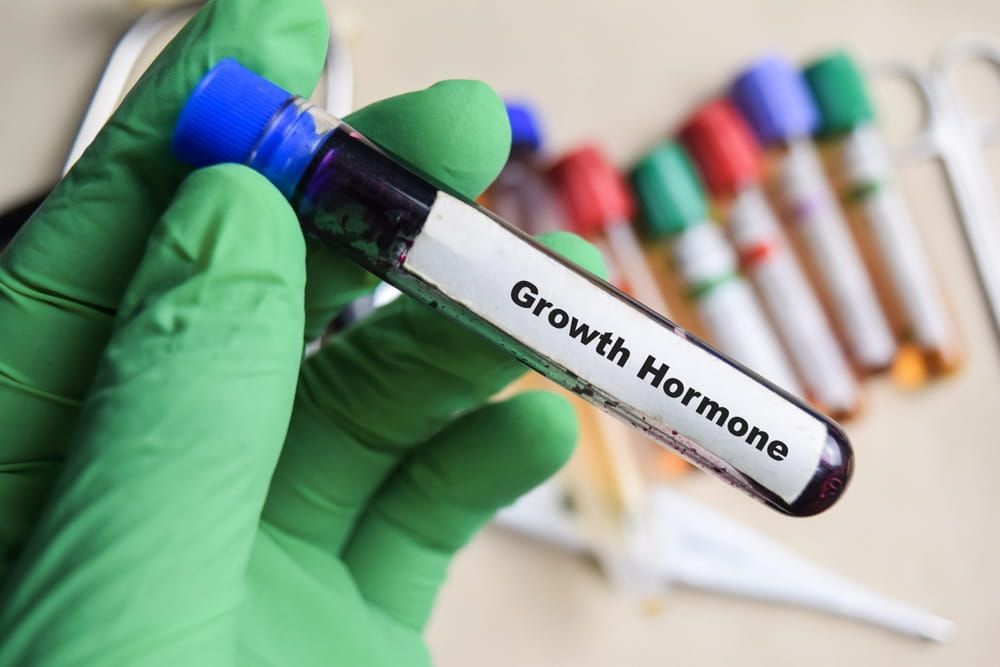
Growth hormone and related peptides are involved in tissue repair, muscle maintenance, and metabolic regulation. As levels decline with age, recovery from exercise slows and lean muscle mass decreases. Understanding these mechanisms helps explain why maintaining strength and endurance requires more intentional strategies later in life.
Metabolism, Weight, and Aging
Why weight management changes with age
Weight gain is commonly associated with aging, but it is driven by more than calorie intake alone. Hormonal shifts, reduced muscle mass, and decreased insulin sensitivity all play a role. Excess body fat, particularly around the abdomen, increases inflammation and raises the risk of chronic disease, further accelerating the aging process.
Maintaining metabolic health supports mobility, cardiovascular function, and independence over time. Strategies that address muscle preservation, blood sugar regulation, and nutrient balance are central to aging well.
The role of nutrition and micronutrients
Adequate intake of vitamins and minerals becomes increasingly important with age, as absorption efficiency declines. Nutrient deficiencies can affect immune function, energy production, and neurological health. Supporting internal nutrient status contributes to both functional health and external appearance by promoting tissue repair and reducing oxidative stress.
A Holistic Perspective on Aging Well
Looking beyond cosmetic solutions
Aging well requires attention to physical activity, sleep, stress management, and internal health markers, not just skincare routines. While appearance may motivate initial interest, sustainable wellness depends on supporting the body as a whole. This holistic perspective empowers patients to focus on longevity, function, and quality of life rather than chasing isolated aesthetic goals.
By understanding how hormones, metabolism, and nutrition influence aging, individuals can engage more effectively with their healthcare providers and make informed decisions about their health journey. At TestMeD-Clinic, education around aging emphasizes this comprehensive view, reinforcing that true wellness starts from within and extends far beyond the skin.
Resources
López-Otín, C., Blasco, M. A., Partridge, L., Serrano, M., & Kroemer, G. (2013). The hallmarks of aging. Cell.
Bhasin, S., Travison, T. G., & Snyder, P. J. (2020). Effects of testosterone treatment in older men. The New England Journal of Medicine.
Fontana, L., & Hu, F. B. (2014). Optimal body weight for health and longevity. JAMA.