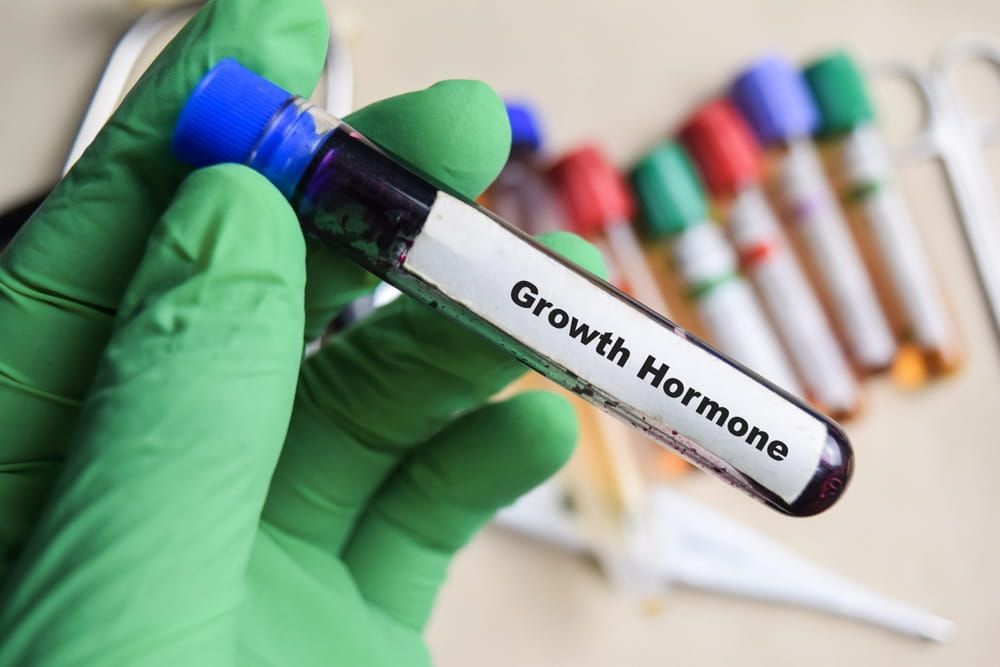


At TestMeD-Clinic, questions about HGH peptides have become increasingly common as people look beyond traditional approaches to aging, recovery, and metabolic health. Human growth hormone–related peptides are often discussed in wellness spaces, fitness communities, and medical literature, but confusion still surrounds what they are and why individuals are interested in them. Understanding their role helps patients separate evidence-based information from hype.
HGH peptides are not simply about appearance or athletic performance. For many people, interest stems from broader concerns such as declining energy, slower recovery, changes in body composition, and the desire to maintain function as they age.
Understanding HGH Peptides
What HGH peptides are and how they work
HGH peptides are short chains of amino acids designed to stimulate the body’s natural production of human growth hormone rather than supplying synthetic hormone directly. Growth hormone plays a key role in tissue repair, muscle maintenance, fat metabolism, and cellular regeneration, all of which tend to decline gradually with age.
By signaling the pituitary gland to release more growth hormone, certain peptides may help support physiological processes already present in the body. This mechanism is one reason they are often discussed alongside lifestyle strategies such as resistance training, sleep optimization, and nutritional support.
Growth hormone and the aging process
Natural growth hormone levels peak in adolescence and early adulthood, then steadily decline over time. This reduction is associated with slower muscle recovery, decreased lean mass, increased fat accumulation, and reduced skin elasticity. While these changes are part of normal aging, they can influence overall vitality and physical resilience.
Common Reasons People Explore HGH Peptides
Recovery and physical performance
One of the most frequently cited reasons for interest in HGH peptides is recovery. Individuals engaged in regular exercise often notice that muscle soreness lasts longer and injuries take more time to heal as they age. Growth hormone is involved in tissue repair and protein synthesis, which explains why peptides are often discussed in the context of post-exercise recovery and injury support.
This interest is not limited to athletes. Many adults simply want to maintain strength, mobility, and endurance for daily activities, especially as recovery from physical strain becomes less efficient.
Body composition and metabolism
Another common area of interest is body composition. Growth hormone influences how the body uses fat for energy and helps preserve lean muscle mass. As metabolic efficiency declines with age, some individuals look to HGH-related pathways as part of broader weight management and metabolic health discussions.
Changes in body composition can affect insulin sensitivity and inflammation, both of which play roles in long-term health. This connection explains why HGH peptides are often mentioned alongside conversations about metabolic wellness rather than quick weight loss solutions.
Energy, Sleep, and Overall Vitality
The link between growth hormone and sleep
Growth hormone is primarily released during deep sleep, making sleep quality a critical factor in hormonal health. Poor sleep can reduce natural hormone production, contributing to fatigue, brain fog, and slower recovery. Interest in HGH peptides often overlaps with efforts to improve sleep patterns and circadian rhythm alignment.
People exploring this area are frequently motivated by persistent low energy rather than aesthetic goals. Supporting restorative sleep is widely recognized as essential for healthy aging and cognitive function.
Supporting long-term wellbeing
Beyond physical changes, growth hormone influences mood, cognitive clarity, and overall sense of wellbeing. While research continues to evolve, interest in HGH peptides reflects a growing desire to address aging at a systemic level rather than focusing solely on external signs.
Putting HGH Peptides in Context
Education over expectations
HGH peptides are best understood as part of a broader conversation about aging, hormones, and lifestyle rather than a standalone solution. Nutrition, physical activity, stress management, and sleep remain foundational to healthy hormone function. Peptides are often discussed within this larger framework, emphasizing balance and long-term health.
By learning what HGH peptides are actually used for, patients can approach the topic with realistic expectations and informed questions. At TestMeD-Clinic, education around emerging wellness topics like HGH peptides helps individuals better understand how internal processes influence energy, recovery, and aging over time.
Resources
Thorner, M. O., Vance, M. L., Horvath, E., & Kovacs, K. (1992). The anterior pituitary. Williams Textbook of Endocrinology.
Bartke, A. (2017). Growth hormone and aging: Updated review. World Journal of Men’s Health.
Van Cauter, E., Leproult, R., & Plat, L. (2000). Age-related changes in slow wave sleep and growth hormone secretion. Hormone Research.