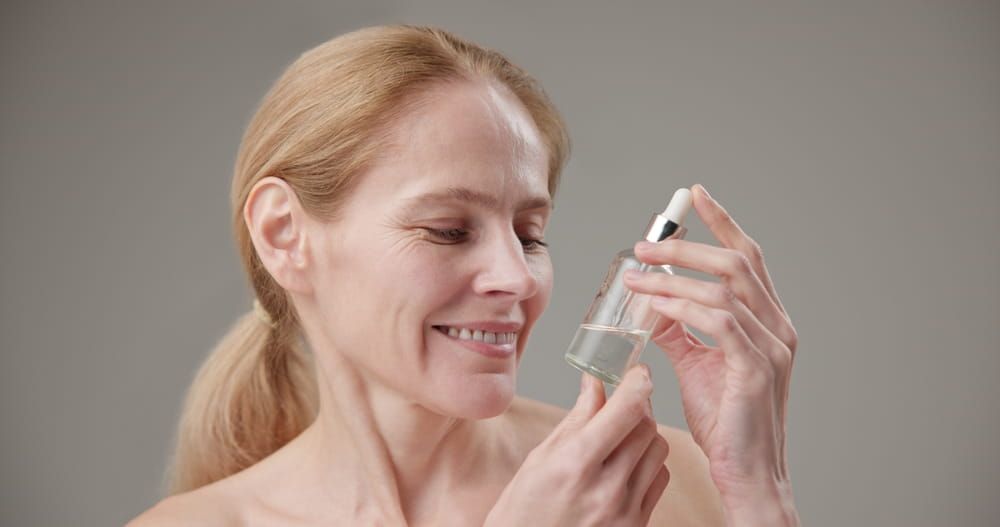


Women’s hormone therapy is a complex and evolving area of healthcare that focuses on balancing hormones to improve physical and emotional well-being. At TestMeD-Clinic in Houston, Texas, understanding the nuances of hormone therapy is essential for making informed decisions about women’s health. Hormones play a critical role in regulating many body systems, including reproductive health, metabolism, and mood. Changes in hormone levels, whether due to aging, medical conditions, or lifestyle factors, can significantly impact a woman’s overall quality of life.
Hormone therapy can include various approaches, from replacement therapy to lifestyle adjustments, and it is tailored based on individual needs. The field has advanced considerably, offering more precise ways to monitor hormone levels and address deficiencies. Women experiencing symptoms like fatigue, mood swings, irregular menstrual cycles, or menopausal changes often explore hormone therapy as a potential solution. Understanding the science behind hormone therapy can empower women to make informed choices that enhance health and well-being.
At TestMeD-Clinic, Houston, Texas, healthcare providers like Ruth Awah, APRN, FNP-BC, emphasize education about hormones to help patients navigate the complex decisions surrounding therapy. Learning about hormone therapy, its benefits, and risks provides a foundation for better health outcomes.
The Role of Hormones in Women’s Health
Hormones are chemical messengers that regulate nearly every function in the female body. Estrogen, progesterone, and testosterone are some of the primary hormones affecting reproductive health, bone density, cardiovascular function, and mood. Fluctuations in these hormones naturally occur during puberty, menstruation, pregnancy, and menopause. These changes can sometimes lead to uncomfortable or even debilitating symptoms if hormone levels become imbalanced.
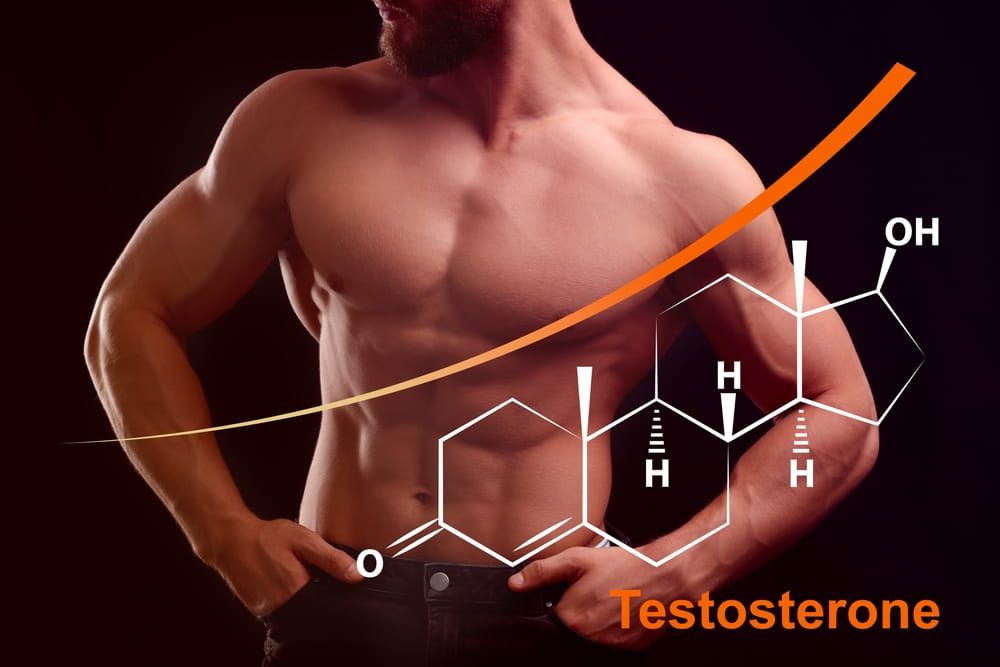
Estrogen is particularly significant in regulating menstrual cycles, maintaining bone density, and protecting cardiovascular health. Progesterone plays a crucial role in preparing the body for pregnancy and regulating menstrual cycles, while testosterone contributes to energy, muscle mass, and libido. Imbalances in these hormones can manifest as irregular cycles, weight changes, sleep disturbances, or emotional instability. Understanding the intricate role of each hormone is vital in determining whether therapy could be beneficial for an individual.
Additionally, hormones influence mental health, cognition, and energy levels. Research has shown that imbalances can contribute to anxiety, depression, and cognitive decline in some women. Monitoring hormone levels over time helps in identifying patterns that may benefit from lifestyle interventions, nutritional adjustments, or medical management.
Types of Women’s Hormone Therapy
There are several types of hormone therapy available, each designed to address specific hormonal needs. Hormone replacement therapy (HRT) is commonly used to treat symptoms of menopause, including hot flashes, night sweats, vaginal dryness, and mood swings. HRT can involve estrogen alone or a combination of estrogen and progesterone, depending on whether a woman has had a hysterectomy.
Other therapies focus on bioidentical hormones, which are chemically similar to the hormones naturally produced by the body. These can be delivered through creams, gels, patches, or pills. The goal is to restore hormone levels to a more natural state, potentially reducing side effects associated with synthetic hormones. For women with specific medical conditions, such as premature ovarian failure or surgical menopause, hormone therapy can be tailored to address these unique circumstances.
- Common forms of hormone therapy include:
- Estrogen therapy
- Progesterone therapy
- Combination hormone therapy
- Bioidentical hormone therapy
Choosing the right type of therapy requires understanding personal health history, risk factors, and desired outcomes. Research continues to explore new delivery methods and dosing strategies to improve effectiveness and safety.
Benefits and Considerations
Women’s hormone therapy can provide significant relief from symptoms associated with hormonal imbalances. Benefits often include improved sleep, mood stabilization, reduced hot flashes, increased bone density, and improved sexual health. Many women also experience enhanced energy levels and cognitive function after hormone therapy begins. These benefits contribute to overall quality of life, particularly during menopause or periods of significant hormonal change.
However, hormone therapy is not without considerations. Potential risks include cardiovascular issues, blood clots, and certain cancers, depending on the type and duration of therapy. Individual factors such as age, medical history, lifestyle, and genetics influence the safety and effectiveness of hormone therapy. Continuous monitoring and consultation with healthcare professionals are essential to maximize benefits while minimizing risks. Lifestyle interventions, including diet, exercise, and stress management, are often recommended alongside therapy to support overall hormonal balance.
Understanding both the advantages and potential risks allows women to make informed decisions that align with their health goals. Hormone therapy is a tool, and education about how it works can empower women to navigate the challenges of hormonal changes confidently.
Conclusion
Women’s hormone therapy is a powerful area of healthcare that addresses the complex interplay of hormones affecting physical and mental well-being. TestMeD-Clinic in Houston, Texas, serves as a reminder that understanding hormone therapy is essential for informed health decisions. From managing menopausal symptoms to addressing hormonal imbalances, therapy can enhance quality of life when guided by research and individualized care. Knowledge about hormone types, their roles, and the potential benefits and risks equips women to make choices that support long-term health.
By exploring these insights, women can gain a clearer perspective on hormone therapy and the factors that influence its effectiveness, making education a vital part of maintaining balance and wellness.
Resources:
- Davis, S. R., & Lambrinoudaki, I. (2012). Menopause. The Lancet, 379(9823), 1827-1838.
- Santoro, N., & Randolph, J. F. (2011). Reproductive hormones and the menopause transition. Obstetrics & Gynecology Clinics of North America, 38(3), 455-466.
- Lobo, R. A. (2017). Hormone-replacement therapy: Current thinking. Nature Reviews Endocrinology, 13(4), 220-231.