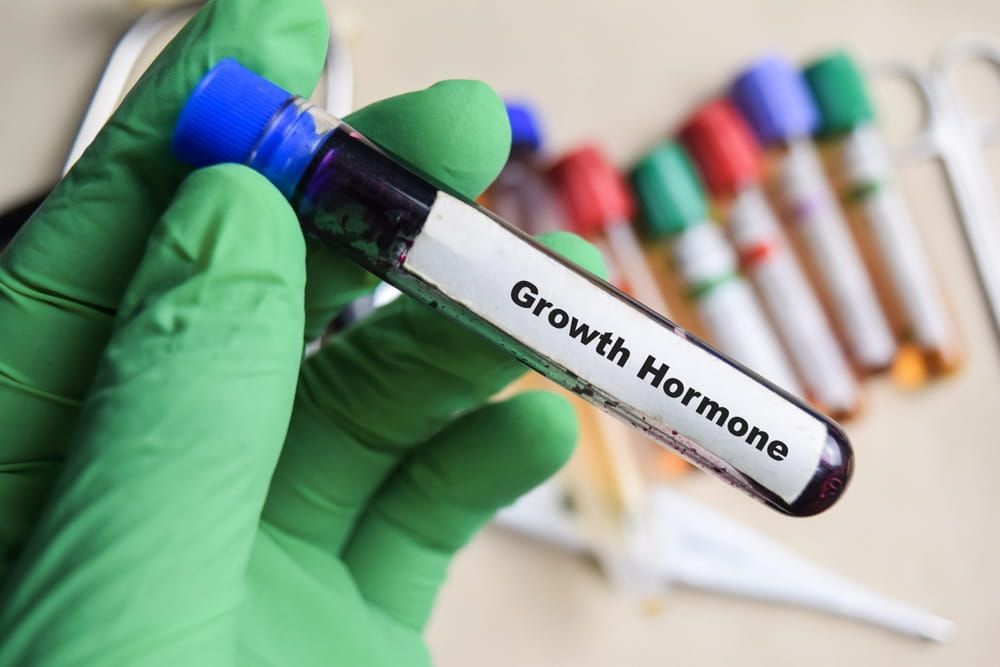


At TestMeD-Clinic in Houston, Texas, healthcare professionals such as Ruth Awah, APRN, FNP-BC, understand that hormones influence much more than physical health. While many people associate hormones with weight changes, aging, or reproductive health, they often overlook the impact hormones can have on confidence, concentration, motivation, and overall mental performance. When hormone levels become imbalanced, the effects can extend beyond the body and significantly influence how people think, feel, and function throughout their daily lives.
Many adults spend months or even years attributing brain fog, lack of confidence, irritability, or difficulty focusing to stress, aging, or busy schedules. While these factors certainly matter, hormones play a critical role in regulating the body’s systems, including those that affect mood, cognition, and emotional well-being. Understanding this connection can help individuals better recognize when underlying hormonal changes may be contributing to symptoms they experience every day.
The Role Hormones Play in Mental Performance
Hormones act as chemical messengers that help regulate communication throughout the body. They influence energy production, sleep quality, metabolism, emotional stability, and brain function. When hormone levels are balanced, many people experience better mental clarity, stable moods, and consistent energy levels. When those levels fluctuate, however, the effects may be noticeable both physically and mentally.
Testosterone, estrogen, progesterone, cortisol, thyroid hormones, and growth hormones all contribute to cognitive function in different ways. Testosterone is often associated with confidence, motivation, and drive in both men and women. Estrogen plays a role in memory and concentration, while thyroid hormones help regulate mental processing speed and energy production. Cortisol, commonly known as the stress hormone, can affect attention, memory, and emotional resilience when chronically elevated.
Because these hormones work together, even small imbalances may contribute to symptoms that seem unrelated at first glance. A person struggling with concentration issues may actually be experiencing hormonal fluctuations rather than a simple lack of focus.
Why Confidence Can Be Influenced by Hormones
Confidence is often viewed as a personality trait, but biology contributes more than many people realize. Hormones help regulate neurotransmitters such as dopamine and serotonin, which influence mood, motivation, and self-perception. When hormone levels are disrupted, individuals may experience feelings of self-doubt, decreased motivation, or reduced enthusiasm for activities they once enjoyed.
Many individuals experiencing hormone imbalances report symptoms such as:
- Difficulty concentrating
- Reduced motivation
- Increased irritability
- Lower self-confidence
- Mental fatigue
- Decreased productivity
- Mood fluctuations
- Reduced interest in social activities
These symptoms can gradually develop over time, making them easy to dismiss as normal aging or everyday stress. However, addressing the underlying hormonal factors may help improve overall well-being and restore a greater sense of mental clarity and confidence.
The Link Between Focus, Energy, and Hormonal Health
Focus requires a combination of healthy brain function, adequate sleep, balanced energy levels, and stable neurotransmitter activity. Hormones influence each of these areas. When hormone production changes, concentration and mental stamina can suffer.
For example, low testosterone levels may contribute to reduced motivation and cognitive sharpness. Estrogen fluctuations can affect memory and attention, particularly during periods of hormonal transition. Elevated cortisol from chronic stress may interfere with concentration and increase feelings of mental overwhelm. Thyroid hormone imbalances can slow cognitive processing and create persistent fatigue that makes focusing difficult.
Many people attempt to compensate for these symptoms with additional caffeine, longer work hours, or increased effort. While these approaches may provide temporary relief, they often fail to address the underlying cause when hormones are involved.
Understanding the Bigger Picture of Hormonal Wellness
Hormonal health is not limited to one specific treatment or age group. Men and women can experience hormonal changes throughout adulthood that affect their physical and mental well-being. Factors such as aging, chronic stress, poor sleep, nutritional deficiencies, medical conditions, and lifestyle habits can all influence hormone production.
Regular health evaluations and testing can provide valuable insight into overall wellness. Services such as Routine Wellness Labs are often used to assess important health markers that may contribute to symptoms involving energy, focus, and mood. Depending on individual circumstances, healthcare providers may also evaluate hormone levels to gain a more complete understanding of a patient’s health profile.
For individuals experiencing symptoms related to hormonal imbalance, educational resources about options such as Male Hormone Therapy, Women Hormone Therapy, or Hormone Pellet Implants may provide additional information about how hormone optimization is approached in modern healthcare settings.
Looking Beyond Stress and Aging
Many people assume that declining focus, reduced confidence, and lower energy are inevitable parts of getting older. While aging naturally affects the body, persistent symptoms should not automatically be dismissed. Hormones influence nearly every system in the body, including those responsible for mental performance, emotional balance, and motivation.
At TestMeD-Clinic, conversations about wellness often begin by looking at the whole picture rather than focusing on a single symptom. Understanding how hormones affect confidence and focus allows individuals to make more informed decisions about their health and seek appropriate evaluation when necessary. Recognizing the connection between hormonal balance and mental well-being may be the first step toward feeling more energized, focused, and confident in everyday life.
Resources
Peper, J. S., & Dahl, R. E. (2013). The Teenage Brain: Surging Hormones—Brain-Behavior Interactions During Puberty. Current Directions in Psychological Science.
McEwen, B. S. (2017). Neurobiological and Systemic Effects of Chronic Stress. Chronic Stress.
Walther, A., Breidenstein, J., & Miller, R. (2019). Association of Testosterone Treatment With Alleviation of Depressive Symptoms in Men. JAMA Psychiatry.