

Many people experience symptoms such as fatigue, weight gain, low libido, mood changes, brain fog, poor sleep, or difficulty maintaining muscle mass without realizing that hormones may play a role. Hormones act as the body’s chemical messengers, helping regulate metabolism, energy levels, reproductive health, mood, and countless other functions. When these signals become imbalanced, a wide range of symptoms can develop that affect daily life.
At TestMeD-Clinic in Houston, Texas, Ruth Awah, APRN, FNP-BC, understands that patients often feel uncertain about what happens during a hormone evaluation. Many imagine a complicated process or assume that symptoms are simply a normal part of aging. In reality, a hormone checkup is a structured and informative assessment designed to identify potential imbalances and provide a clearer picture of overall health.
A hormone evaluation is not focused on a single symptom. Instead, it looks at how various systems in the body work together. The goal is to determine whether hormone levels may be contributing to symptoms and to identify potential opportunities for improving wellness through personalized care.
The Initial Health Consultation
A hormone checkup typically begins with a detailed conversation about symptoms, medical history, and lifestyle factors. This discussion often provides valuable clues about whether hormones may be influencing a person’s health concerns.
Patients may be asked about changes in energy levels, sleep quality, weight fluctuations, sexual health, stress levels, mood patterns, and exercise habits. For women, menstrual history and menopause-related symptoms may also be reviewed. For men, discussions often focus on testosterone-related symptoms such as reduced energy, decreased muscle mass, or erectile concerns.
During this stage, healthcare providers may also review family medical history, current medications, nutritional habits, and previous laboratory results. Hormonal health is influenced by many factors, and understanding the complete picture helps guide the next steps in evaluation.
Laboratory Testing and Hormone Analysis
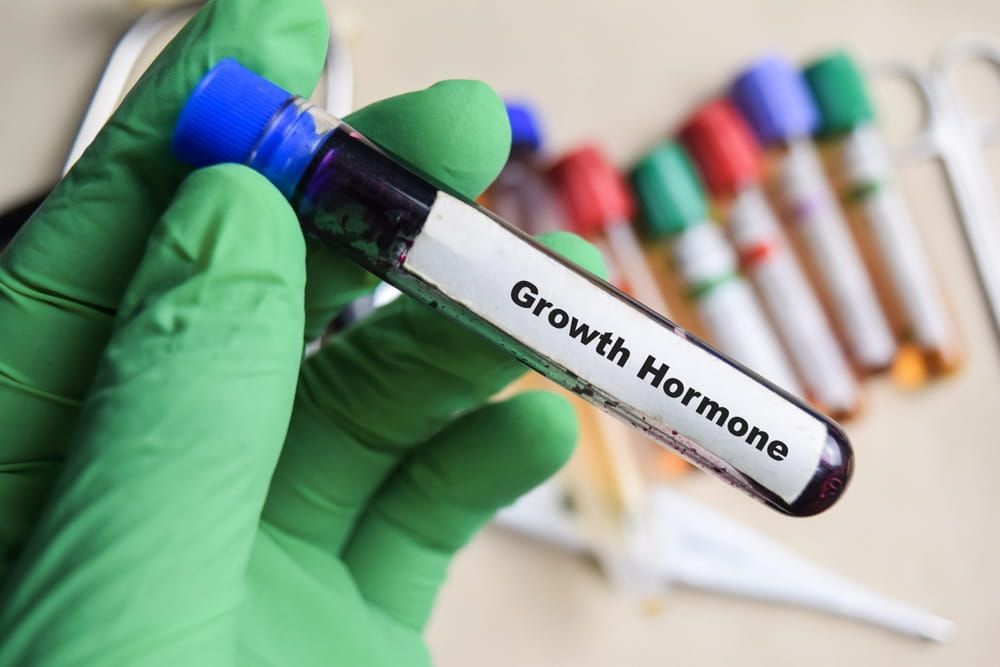
Following the consultation, laboratory testing is usually recommended to gather objective information about hormone levels and overall health markers. Blood work serves as one of the most important components of a hormone checkup because it provides measurable data that can help explain symptoms.
Common tests may include:
- Testosterone levels
- Estrogen levels
- Progesterone levels
- Thyroid hormones
- Cortisol levels
- Insulin and glucose markers
- Vitamin deficiencies
- Complete blood count (CBC)
- Metabolic panels
Many providers also recommend comprehensive Routine Wellness Labs to evaluate broader health factors that can influence hormone balance. Deficiencies in certain nutrients, thyroid dysfunction, or metabolic issues may create symptoms that closely resemble hormonal imbalances.
Laboratory testing allows providers to compare symptoms with actual hormone measurements, helping to create a more accurate and individualized treatment plan.
Reviewing Results and Identifying Patterns
Once laboratory results are available, the next step involves a detailed review of the findings. This discussion often reveals important connections between symptoms and underlying biological processes.
For example, a man experiencing fatigue, decreased motivation, and reduced athletic performance may discover that testosterone levels are lower than expected. In such cases, options such as Male Hormone Therapy may become part of the conversation. Similarly, women experiencing hot flashes, mood swings, or hormonal fluctuations may benefit from learning more about Women Hormone Therapy.
The review process is about more than identifying numbers outside a reference range. Providers evaluate how symptoms, lifestyle factors, and laboratory findings interact. Two individuals with similar hormone levels may experience very different symptoms, making personalized interpretation essential.
This stage also gives patients an opportunity to ask questions and better understand the factors affecting their health.
Creating a Personalized Wellness Strategy
A hormone checkup does not end with laboratory results. The information gathered is used to develop a strategy tailored to each individual’s needs and goals.
Depending on the findings, recommendations may include hormone therapy, lifestyle modifications, nutritional changes, exercise adjustments, stress management techniques, or additional diagnostic testing. Some individuals may also discuss supportive options such as Hormone Pellet Implants, At-Home Testosterone Injections, or other therapies that align with their treatment goals.
Patients focused on metabolic health may also explore connections between hormones and weight management. Hormonal imbalances can influence appetite regulation, body composition, and energy expenditure, which is why hormone evaluations are often considered alongside broader wellness strategies such as Weight Management.
A comprehensive plan aims to address both symptoms and underlying contributors to improve long-term health outcomes rather than simply masking discomfort.
Taking the First Step Toward Better Health
Hormonal changes can affect nearly every aspect of physical and emotional well-being. While many symptoms are commonly dismissed as normal aging, stress, or a busy lifestyle, a hormone checkup can provide valuable answers and help individuals better understand what is happening inside their bodies.
For individuals seeking reliable information about hormonal health, TestMeD-Clinic and Ruth Awah, APRN, FNP-BC, encourage a proactive approach to wellness. Understanding hormone levels, reviewing overall health markers, and developing a personalized plan can provide meaningful insights that support improved energy, vitality, and quality of life.
Resources
Rosenfield, R. L. (2020). Clinical Review: Identifying Children and Adults with Hormonal Disorders. Journal of Clinical Endocrinology & Metabolism.
Bhasin, S., Brito, J. P., Cunningham, G. R., et al. (2018). Testosterone Therapy in Men With Hypogonadism. Journal of Clinical Endocrinology & Metabolism.
Santoro, N., Epperson, C. N., & Mathews, S. B. (2015). Menopausal Symptoms and Their Management. Endocrinology and Metabolism Clinics of North America.