

Feeling exhausted day after day has become so common that many people assume stress is the only explanation. At TestMeD-Clinic, patients in Houston, Texas often ask why rest, weekends, or even vacations fail to restore their energy. While stress certainly affects the body, ongoing fatigue is frequently linked to deeper physiological imbalances that deserve attention. Understanding these causes can help people make informed decisions about their health and long-term well-being.
When Fatigue Is More Than Mental Burnout
Many individuals experiencing constant exhaustion describe a heavy, unshakable tiredness rather than simple sleepiness. This type of fatigue often persists despite adequate sleep and can interfere with concentration, motivation, and emotional balance. When this happens, it may signal underlying biological factors rather than psychological stress alone.
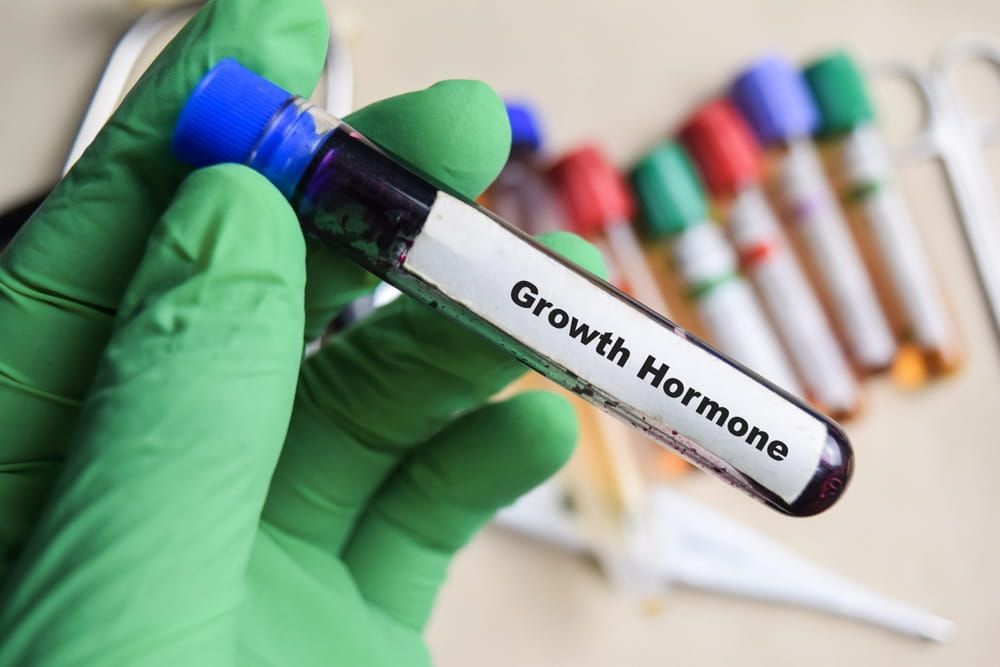
Hormonal changes are a common contributor. Shifts in testosterone, thyroid hormones, or growth hormone can disrupt how the body produces and uses energy. These imbalances may develop gradually, making symptoms easy to dismiss until fatigue becomes disruptive. Over time, hormonal fatigue can also affect muscle strength, mood stability, and metabolic health, further compounding low energy levels.
The Role of Nutrition and Cellular Energy
Energy production starts at the cellular level, and the body relies on specific nutrients to function efficiently. Deficiencies in vitamins and minerals such as B12, iron, magnesium, or vitamin D can significantly impair energy metabolism. Even individuals who eat regularly may lack adequate absorption or balance of these nutrients.
When nutrient levels are suboptimal, cells struggle to convert food into usable fuel. This can lead to symptoms such as brain fog, weakness, and reduced endurance. Some common signs that nutrition-related fatigue may be involved include:
- Persistent low energy despite adequate calorie intake
- Frequent illness or slow recovery
- Muscle aches or unexplained weakness
- Difficulty focusing or memory challenges
Addressing nutritional gaps can be an important step toward restoring vitality and preventing further health complications.
Metabolic and Lifestyle Factors That Drain Energy
Metabolic health plays a major role in how energized or depleted a person feels throughout the day. Conditions related to weight changes, insulin resistance, or poor blood sugar regulation can cause dramatic energy fluctuations. These metabolic stressors often create cycles of short-lived energy followed by crashes that worsen fatigue over time.
Lifestyle habits also influence metabolic strain. Irregular sleep schedules, sedentary routines, and chronic inflammation place additional demands on the body’s energy systems. Over months or years, these patterns may contribute to persistent exhaustion that feels unrelated to daily stressors. Recognizing the connection between metabolism and fatigue can help individuals focus on sustainable changes rather than temporary fixes.
Knowing When to Look Deeper
Occasional tiredness is normal, but ongoing fatigue should not be ignored. When exhaustion lasts for weeks or months, interferes with daily activities, or comes with other symptoms such as weight changes, low libido, or mood shifts, it may be time to investigate further. Medical evaluation can help identify whether hormones, nutrient levels, or metabolic function are involved.
At TestMeD-Clinic, conversations about fatigue often lead to greater awareness of how interconnected the body’s systems truly are. Understanding that constant exhaustion may stem from physical imbalances rather than stress alone empowers patients to take proactive steps toward improved energy, resilience, and overall health.
Resources
Centers for Disease Control and Prevention. (2023). Fatigue: Causes and Prevention.
National Institute of Diabetes and Digestive and Kidney Diseases. (2022). Metabolism and Energy Balance.
National Institutes of Health Office of Dietary Supplements. (2023). Vitamins and Minerals: What They Do.