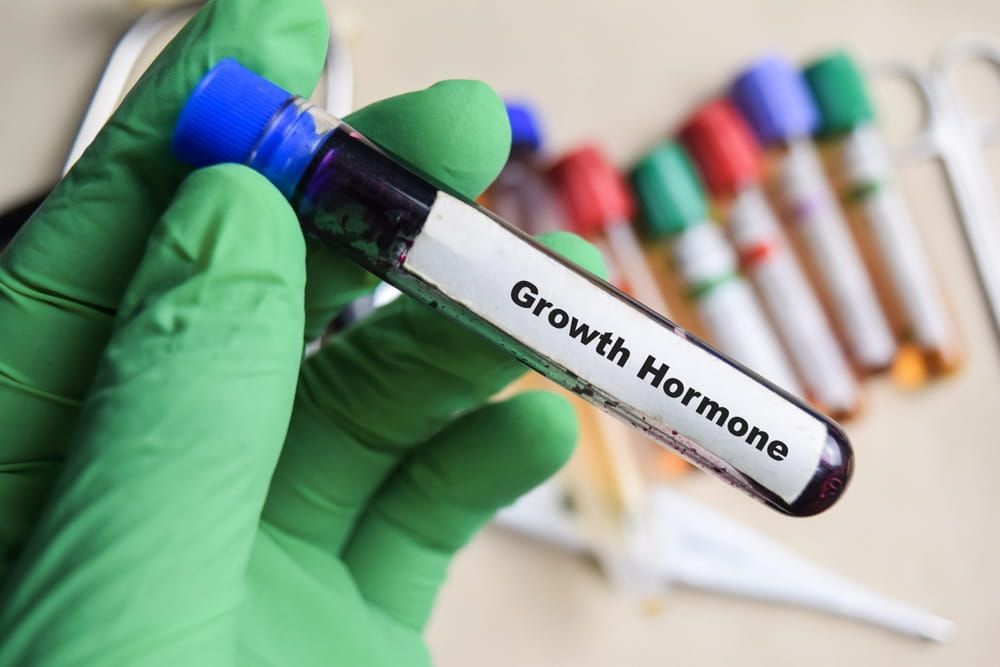


At TestMeD-Clinic in Houston, Texas, healthcare professionals such as Ruth Awah, APRN, FNP-BC, recognize that many people researching wellness, recovery, body composition, and healthy aging encounter terms like HGH and HGH peptides. These terms are often used interchangeably online, leading to confusion about what they are, how they work, and whether they are actually the same thing. While both relate to growth hormone activity within the body, they function in very different ways.
As interest in hormone optimization continues to grow, understanding the distinction between human growth hormone and growth hormone-releasing peptides can help individuals make more informed decisions about their health. The science behind these therapies is more nuanced than many articles and advertisements suggest, making education an important first step before exploring any treatment options.
Understanding Human Growth Hormone
Human growth hormone, commonly referred to as HGH, is a naturally occurring hormone produced by the pituitary gland. It plays an important role throughout life by supporting growth, metabolism, muscle maintenance, tissue repair, and overall body composition. During childhood and adolescence, HGH is essential for physical growth. In adulthood, it continues to contribute to various physiological functions.
When people refer to HGH therapy, they are generally discussing the administration of synthetic growth hormone that is identical or nearly identical to the hormone naturally produced by the body. Rather than encouraging the body to create more growth hormone, HGH therapy introduces the hormone directly into the bloodstream. This can increase circulating growth hormone levels regardless of the body’s natural production patterns.
Because HGH is being supplied externally, treatment approaches require careful monitoring and medical oversight. Growth hormone influences numerous systems throughout the body, including metabolism, insulin regulation, muscle tissue, and recovery processes.
What Are HGH Peptides?
HGH peptides work differently. Rather than supplying growth hormone directly, peptides are small chains of amino acids that act as signaling molecules. Certain peptides are designed to stimulate the body’s natural production and release of growth hormone from the pituitary gland.
These compounds essentially communicate with the body’s existing hormone-regulating systems. Instead of replacing growth hormone, they encourage the body to produce more of its own. This distinction is one of the primary differences between HGH therapy and peptide-based approaches.
Examples of growth hormone-related peptides may interact with receptors involved in growth hormone release or mimic naturally occurring signals that tell the pituitary gland to increase production. Because they rely on the body’s existing hormone-producing capabilities, the resulting growth hormone release often follows more natural physiological pathways.
Comparing HGH and HGH Peptides
Although both approaches are associated with growth hormone activity, several important differences exist.
- HGH introduces growth hormone directly into the body.
- HGH peptides stimulate the body’s natural production of growth hormone.
- HGH bypasses the body’s natural signaling mechanisms.
- HGH peptides rely on existing hormonal pathways.
- HGH therapy directly increases circulating hormone levels.
- HGH peptides encourage the pituitary gland to release additional hormone.
- Monitoring requirements and treatment protocols may differ depending on the approach used.
These differences help explain why the terms should not be used interchangeably. While both may influence growth hormone activity, the biological processes involved are distinct.
Why People Explore Growth Hormone-Related Therapies
Interest in growth hormone and peptide therapies often stems from concerns related to aging, recovery, body composition, exercise performance, and overall wellness. Growth hormone naturally declines with age, which has led researchers to investigate how hormone optimization may affect various aspects of health.
Some individuals seek information about growth hormone-related therapies because they are experiencing reduced energy, changes in body composition, slower recovery after exercise, or age-related shifts in physical performance. Others may be interested in learning more about hormone health as part of a broader wellness strategy.
Educational resources regarding Human Growth Hormone Peptides and HGH Peptides often focus on helping patients understand how these compounds interact with the body’s natural endocrine system. Additionally, comprehensive evaluations and Routine Wellness Labs may be used to assess overall health markers and provide a clearer picture of hormonal function.
Why Individual Evaluation Matters
The endocrine system is highly complex, and hormone levels vary significantly from person to person. What works for one individual may not be appropriate for another. Factors such as age, medical history, current health status, lifestyle habits, and treatment goals all influence decisions related to hormone optimization.
This is one reason why healthcare providers typically emphasize comprehensive evaluation rather than focusing solely on symptoms or information found online. Understanding baseline hormone levels, reviewing overall health, and identifying potential contributing factors are essential components of any hormone-related discussion.
Because growth hormone affects multiple body systems, treatment considerations should always be individualized. Education, laboratory testing, and professional guidance can help ensure that decisions are based on accurate information rather than common misconceptions.
Making Sense of the Differences
At TestMeD-Clinic, patient education plays an important role in helping individuals understand their health options. While HGH and HGH peptides are often discussed together, they are not the same thing. HGH provides growth hormone directly, while HGH peptides work by encouraging the body to increase its own production. Understanding this distinction can help individuals better navigate conversations about hormone health, wellness, and age-related changes.
As research into hormone optimization continues to evolve, informed decision-making remains one of the most valuable tools available. Learning how these therapies work and how they differ provides a stronger foundation for evaluating potential approaches to long-term health and wellness.
Resources
Giustina, A., Barkan, A., Beckers, A., et al. (2020). A Consensus on the Diagnosis and Treatment of Adult Growth Hormone Deficiency. Nature Reviews Endocrinology.
Ho, K. K. Y. (2007). Consensus Guidelines for the Diagnosis and Treatment of Adults with Growth Hormone Deficiency. Endocrine Practice.
Veldhuis, J. D., & Bowers, C. Y. (2010). Human Growth Hormone-Releasing Peptides and Their Clinical Applications. Endocrine Reviews.